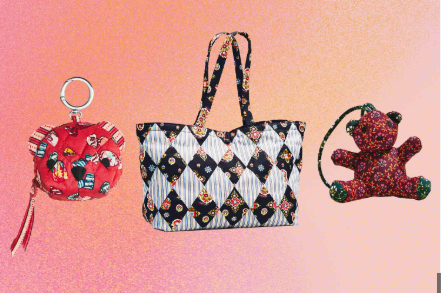




























Fast fashion has the largest known environmental footprint, yet many people see it as a more suitable option due to cheap prices and speedy manufacturing. These benefits, however, come with significant environmental costs. Some stores you shop at every day are examples of fast fashion, even if you don’t realize it. Trends now come and go almost weekly, leading people to constantly buy new styles and dispose of old clothes in a cycle called “Trend-Hopping.” This has led to a major amount of textile disposal. Several studies have shown that Americans throw away over 11 million tons of textile waste each year. Rather than trying to fit between trends, try to think long-term. Most people have switched to more eco-friendly brands, choosing different materials, and extending garment life. Emphasizing the importance of eco-friendly and sustainable fashion can reduce so much of the negative effects on the environment.