



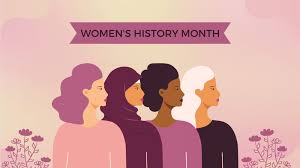
























Every March, the United States celebrates Women’s History Month, a time dedicated to recognizing the achievements and contributions of women throughout history. The celebration highlights how women have shaped society in areas such as science, politics, education, and civil rights.
Women have played key roles in many important moments in history. Leaders like Rosa Parks helped advance the civil rights movement, while scientists such as Marie Curie made groundbreaking discoveries in science. These women, along with many others, helped change the world through courage, determination, and innovation.
Women’s History Month also helps bring attention to stories that were often overlooked in the past. For many years, history books focused mostly on the achievements of men, leaving out the accomplishments of women in many fields. Today, educators and historians are working to make sure those stories are shared and remembered.
Schools across the country often mark the month with special lessons, projects, and discussions about influential women. Students may learn about important figures, explore historical events, or research women who have made an impact in their communities. Recognizing Women’s History Month is not only about looking at the past. It is also about inspiring future generations to continue making progress. By learning about the achievements of women throughout history, students can better understand how determination and leadership can shape the future.