



















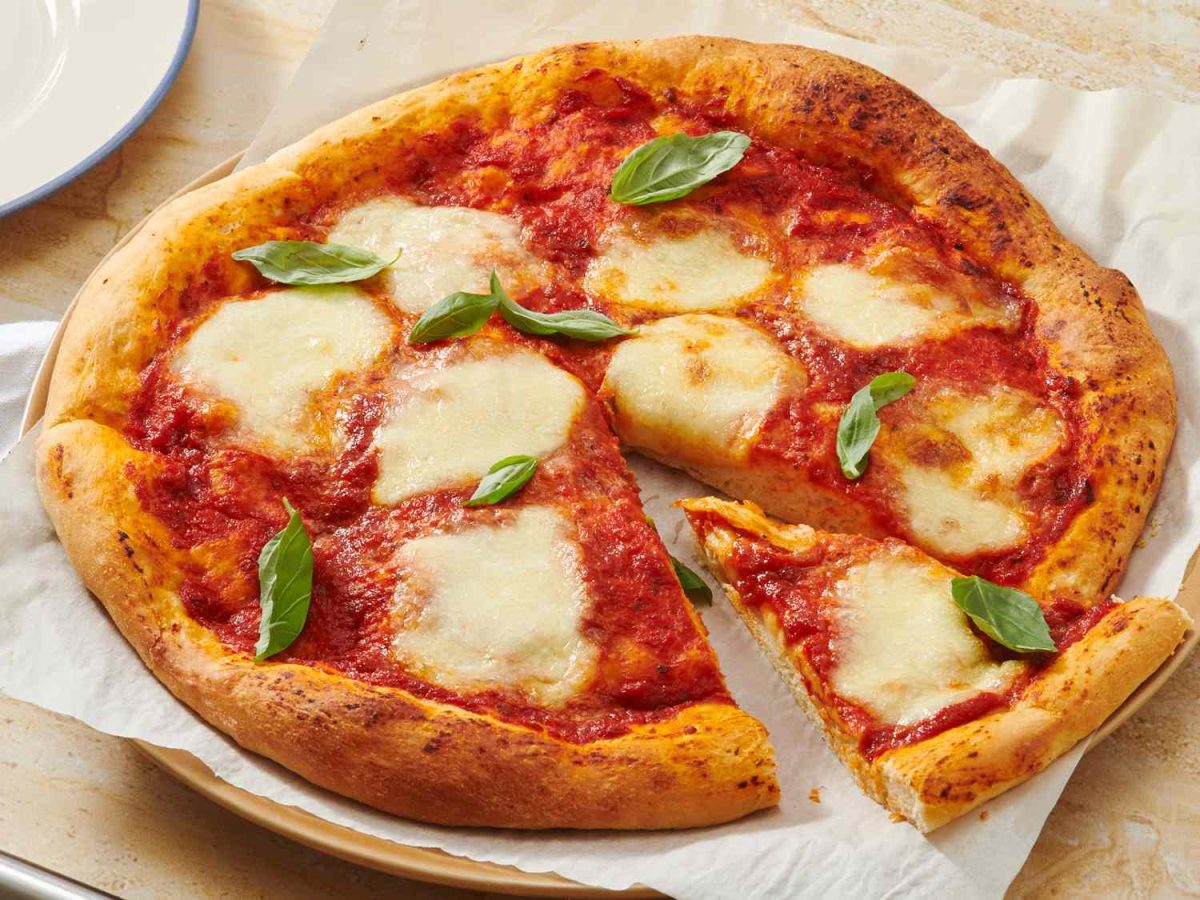
Pizza originated in the city of Naples, Italy and quickly became a staple in Italian culture. It was originally eaten by the poorer class because it was inexpensive and simple to make. Pizza then spread through reverse hierarchical diffusion to the higher class Italians like the king and queen, and they loved it. After that it spread through hierarchical diffusion back through the people of Italy.
Because people could experiment with different toppings, and it could be an easy meal or a fancier sit down meal, its popularity continued to grow, and it diffused all over Europe. Later in the 18th and 19th century pizza was spread to North America through relocation diffusion as Europeans colonised America. It also spread through stimulus diffusion because the original idea of pizza influenced other countries to make something similar even if it was not exactly the same.
Pizza has diffused and is a popular dish in many countries; however, each country has their own unique twist. For example, in Poland, pizza is like a baguette sandwich often topped with polish ketchup. In Detroit, the cheese is put on before the sauce. In Japan, pizza is often topped with things like seafood and kimchi similar to their common cuisine of sushi. Thanks to diffusion and migration, most people all around the world love to enjoy whatever their idea of pizza is.
The type of pizza found in Chicago is described as deep dish and thick crusted. It is traditionally baked in a cast iron pan with filling like a savory pie. This version of pizza was created by Ric Riccardo in 1943 when he moved to Chicago and started a restaurant. This is an example of stimulus and relocation diffusion because when he moved to America from Italy, he took the idea of pizza with him. He tweaked it a bit to create a new variant of it. The people loved it, and after he died, it became a staple in Chicago. It has changed a bit from his original design, such as the height has increased, but the idea still remains the same.
The definition of pizza is, ¨a dish of Italian origin consisting of a flat, round base of dough baked with a topping of tomato sauce and cheese typically with added meat or vegetables¨ (Oxford Languages). Because the definition of pizza is so broad, it is such an easy concept to spread and get creative with depending on your culture. Pizza is a simple concept: a flatbread with some sort of sauce and a variety of other toppings depending on what the specific person wants and what is available.
The basic circular pizza cut in triangle slices and put in a greasy square cardboard box is definitely different from the first idea in Italy, but it came from that influence. Even if one country’s take on pizza is a bit different from others such as a different bread, toppings, or sauces, the concept is widespread in most of the world. There can be savory pizza, fruit pizza, dessert pizza, veggie pizza and many more. This influenced restaurants all over the world to have this as a staple in their kitchen especially large food chains such as PizzaHut. Even though the idea of pizza is similar, each country’s own culture makes it different, and it gives a sense of place to the area.
The diffusion of pizza throughout the world has influenced many American cultural norms– specifically things like ordering a pizza on a Friday night and watching a movie, or ordering a bunch of pizzas for a kids party. From cars that deliver it straight to your house to the internet creating a simple order with a pay online experience, technology also helped facilitate the diffusion of pizza. Because of the diffusion of pizza and modern technology, pizza is so easy to pick up or get delivered. Some may say just grabbing a pizza could be lazy, but it is a good alternative to a stressful day of cooking and or meal prep. Pizza is commonly used for parties and has a strong showing in T.V. shows and movies. Whether you order in for the night, or dress up and get gourmet pizza, there’s something for everyone.
If pizza had never diffused from Italy, Americans’ lives would be so different. No Friday night ordering in, no baking your own pizzas, no lunchable pizzas in elementary school, and no celebratory pizza parties because your whole history block passed their AP exam. Diffusion has changed many aspects of life, not just food. Things like fashion, T.V., books, and religion would be different if they had not diffused from other areas on earth. This being said, the next time you eat pizza, think about how thankful you are for the people in ancient times evolving the way pizza was made, and remember all of the passing of ideas it took for the tasteful meal to be as we know it today.